Buying in Tanglewood can look straightforward at first glance. You see beautiful homes, mature trees, and a close-in Houston location that many buyers already know by name. But once you start comparing properties, you quickly realize this neighborhood is not one-size-fits-all, and that is exactly why a little homework before tours can save you time, money, and stress. Let’s dive in.
Why Tanglewood stands out
Tanglewood is a close-in luxury neighborhood in the Galleria and Uptown area of Houston. According to the Tanglewood Homes Association, the neighborhood includes about 1,220 lots across 23 sections and was first developed in 1949. Today, it is known for tree-lined streets, private patrol, private trash collection, common-area maintenance, and deed-restriction enforcement.
That last point matters more than many buyers expect. In Tanglewood, you are not only buying a home and lot. You are also buying into a neighborhood with long-standing rules and an active framework for how homes are maintained, renovated, and rebuilt.
Expect a mixed housing stock
One of the biggest mistakes buyers make is assuming Tanglewood has one clear home style or era. It does not. The neighborhood began in the late 1940s, but HAR reports a median year built of 1990, which tells you a lot about how much rebuilding and updating has happened over time.
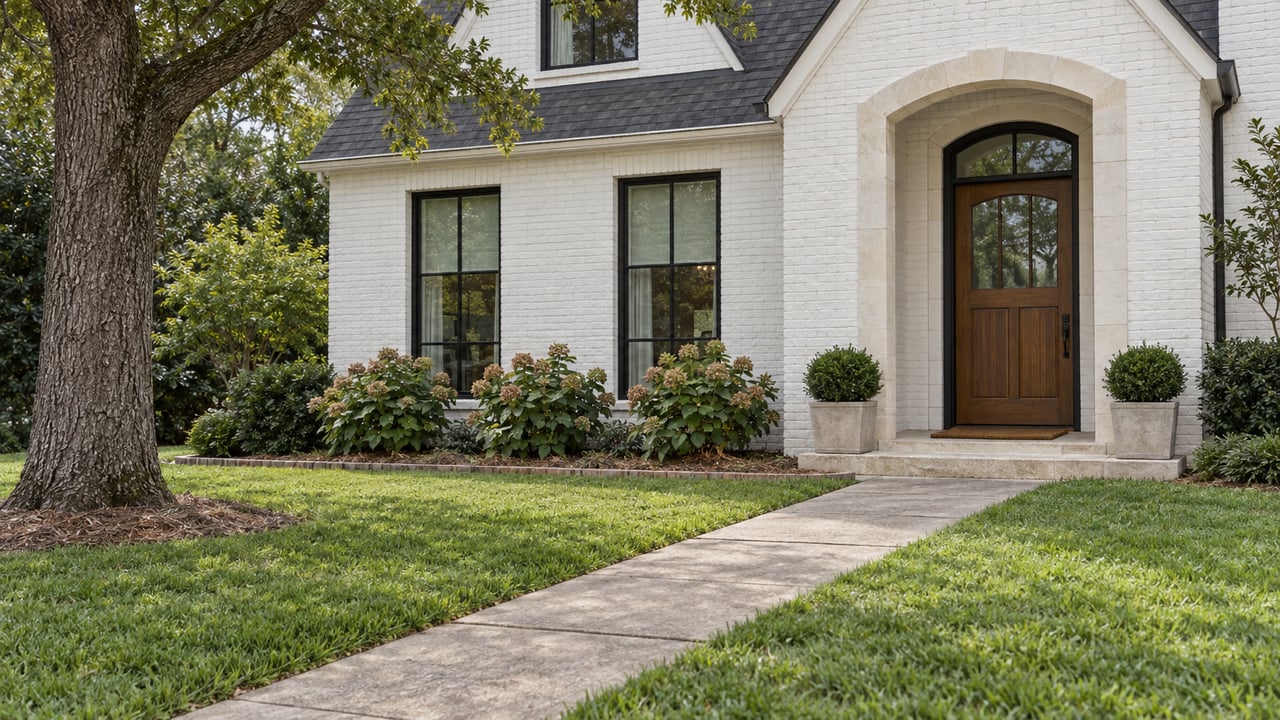
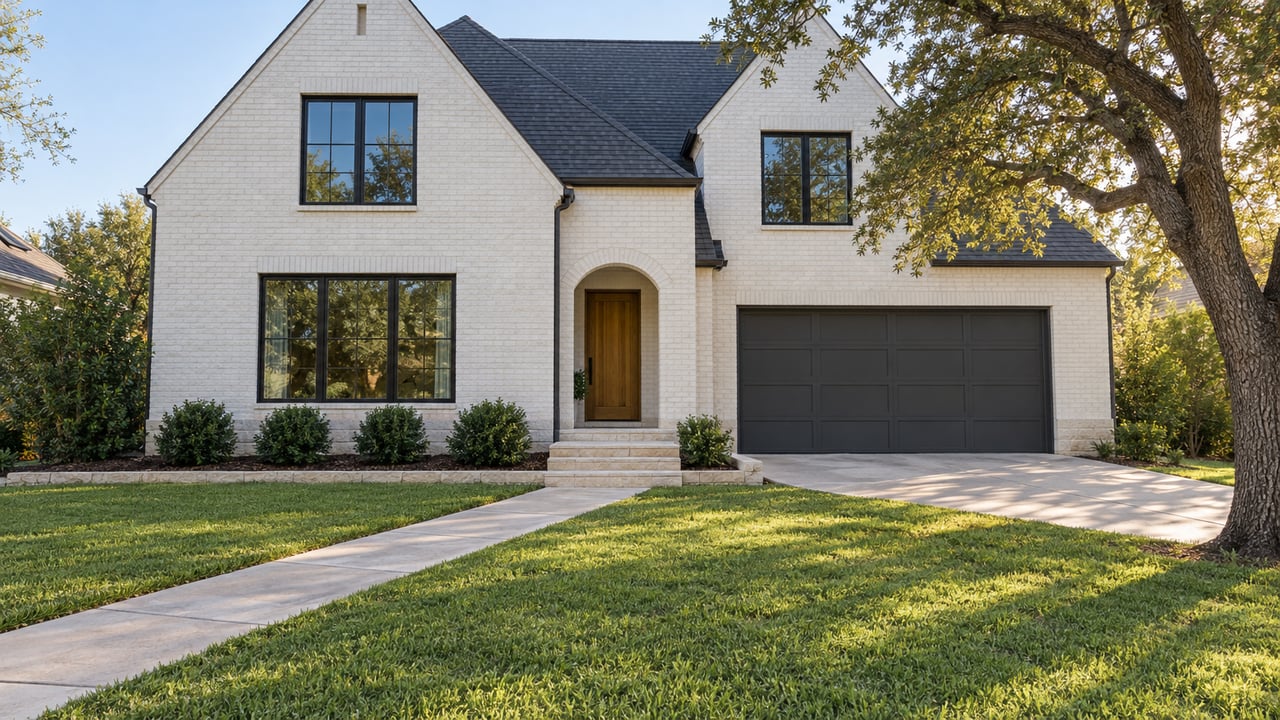
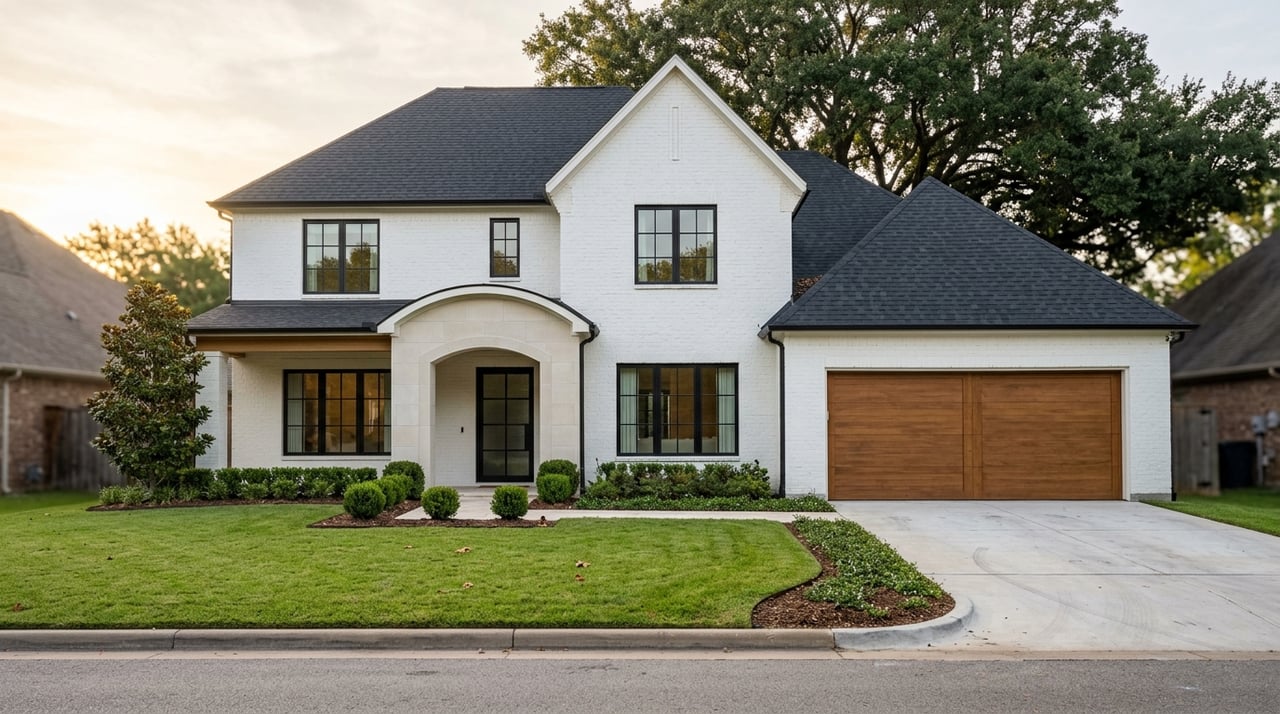
As you tour, you may see original-era homes, homes with partial renovations, full-scale rebuilds, and newer luxury construction. The Tanglewood Homes Association notes that many original homes have been replaced with larger, updated two-story homes, and neighborhood restrictions have been amended over time to keep pace with new construction.
That means your search should focus less on appearances alone and more on what the house actually is:
- Original home with mostly cosmetic updates
- Older home with major structural or systems improvements
- Substantially renovated home
- Newer custom build or rebuild
Those differences can have a major impact on value, maintenance expectations, and resale potential.
Know the market range before tours
Tanglewood is an upper-end market, but there is still a broad spread in pricing, lot size, and property type. HAR’s current profile shows 1,181 single-family properties, a median home size of 5,547 square feet, and a median lot size of 16,500 square feet. HAR also reports a median sold price per square foot of $481.03 and a median market value of $2,437,657.
Current listing data also shows why buyers should think in ranges instead of looking for one “typical” Tanglewood home. Recent examples include homes listed around $1.499 million, $2.2 million, $2.58 million, $2.775 million, and $4.748 million, with lot sizes ranging from under 8,000 square feet to more than half an acre. HAR’s sold history also shows a wide recent sales range, from roughly $827,000 to $6.77 million depending on the property.
In other words, the address alone does not tell the full story. In Tanglewood, price is heavily shaped by lot size, section, condition, renovation quality, and whether the home is original, updated, or newly built.
Focus on lot size early
If you are serious about buying in Tanglewood, lot size should be part of your search from the start. HAR shows the median lot size at 16,500 square feet, which is a major reason buyers consider the neighborhood in the first place. Still, not every home sits on the same kind of site.
Some current listings are on lots under 8,000 square feet, while others are on roughly half-acre or larger sites. That can change everything from yard space and privacy to future expansion options and overall feel.
Before you book several tours, ask yourself a few practical questions:
- Do you want a more estate-like setting?
- Would you consider a smaller lot for the right house and location?
- Are outdoor space, pool potential, or guest parking important to you?
- Are you paying a premium for land, for the house itself, or both?
In Tanglewood, land is often a big part of the value equation.
Understand the neighborhood rules
Tanglewood has deed restrictions that are more detailed than many buyers expect. According to the Tanglewood Homes Association, the restrictions address residential use, setbacks, roof and wall materials, garage orientation, fencing, driveway entry, and signage. The association also has construction guidelines that cover exterior work, approvals, site cleanliness, parking, tree protection, and drainage.
That matters whether you plan to buy a finished home or one you may update later. If you are considering changes after closing, it helps to know that exterior improvements and site work are not just personal design decisions. They may be shaped by neighborhood requirements.
This is also why buyers should look closely at homes that have been added onto or rebuilt. A beautiful finish package is great, but in Tanglewood, due diligence should also include how the lot was developed, how drainage was handled, and whether exterior work appears thoughtfully executed.
Look past finishes during tours
Luxury finishes can be distracting in the best and worst ways. A polished kitchen, dramatic lighting, and fresh paint may create a strong first impression, but they should not be your only filter in a neighborhood with such a varied mix of older homes and newer construction.
As you walk properties, try to evaluate the home in layers. Start with the lot and layout, then consider age and construction history, then review the renovation or build quality. The goal is to understand whether the asking price reflects lasting value or just strong presentation.
A smart pre-tour checklist includes:
- Whether the home appears original, partially renovated, or rebuilt
- How the floor plan fits your daily needs
- Whether the lot size matches the price point
- Signs that exterior work and drainage were handled carefully
- The overall quality and consistency of updates
This kind of approach fits Tanglewood especially well because the neighborhood rewards buyers who can separate true quality from surface appeal.
Tanglewood is active, not static
Some luxury neighborhoods are known more for prestige than movement. Tanglewood is not that kind of market. HAR’s April 2026 newsroom report said the Tanglewood Area recorded 20 transactions in the first quarter of 2026, up 25% from the same period a year earlier, with an average home price of $2,083,660.
That is a useful reminder for buyers. Tanglewood is not just a famous Houston address. It is an active upper-end market where homes trade across a wide price range and where buyers need to be ready to compare opportunities carefully.
HAR currently shows 23 homes for sale and 3 for rent in Tanglewood. Realtor.com also shows homes averaging about 71 days on market, which gives you a sense that this is a real, moving market with options, not just a small handful of trophy listings.
Compare Tanglewood the right way
Many buyers cross-shop Tanglewood with other luxury Houston neighborhoods. That makes sense, but the comparison should be based on what you value most.
Compared with River Oaks, Tanglewood generally offers more land and more rebuilt housing stock. HAR data cited in the research report shows River Oaks with a smaller median lot size of 11,453 square feet and a higher median sold price per square foot of $633.87, along with a higher median market value.
Compared with West University Place, Tanglewood typically feels less lot-constrained. HAR data shows West University Place with a median lot size of 7,500 square feet, which is much smaller than Tanglewood’s median. Both areas have active rebuild cycles, but Tanglewood often appeals to buyers who want a more estate-like setting.
Compared with Briargrove, Tanglewood is generally the higher-end, larger-lot option. HAR data in the research report shows Briargrove with a median lot size of 8,832 square feet and a lower average list price profile.
Memorial Villages often enters the conversation too. The research report notes that Memorial Villages had a median sold price of $2,778,557 in HAR’s April 2026 update. Buyers often compare the two, but Tanglewood’s key differentiator is its close-in Galleria-area location and its visible culture of renovation and rebuilding.
How to tour Tanglewood smarter
If you want to use your time well, go into tours with a clear framework. Tanglewood is a neighborhood where two homes with similar list prices may offer very different value.
Before you start scheduling, define your priorities in this order:
- Lot size and site feel
- True construction age and renovation history
- Layout and daily function
- Quality of updates or builder execution
- Price relative to the specific property, not just the neighborhood name
This keeps you from overpaying for the wrong fit or overlooking a strong opportunity because it does not photograph as dramatically online.
What matters most before you start
The biggest takeaway is simple: Tanglewood is not a plug-and-play neighborhood. It is a close-in luxury market where lot size, section, home history, and renovation quality all matter almost as much as the address itself.
If you go into tours understanding that, you will ask better questions and make cleaner comparisons. That is especially important in a neighborhood where one property may be an original home on a large lot, while the next is a recent rebuild with a very different value story.
When you want straightforward guidance on how to evaluate Tanglewood homes, compare lot value versus house value, and spot quality beyond the staging, Chris Boyles can help you tour with a sharper eye and a better plan.
FAQs
What should buyers know about Tanglewood home styles before touring?
- Buyers should expect a mix of original-era homes, partial renovations, teardown-rebuilds, and newer luxury construction rather than one consistent architectural era.
What should buyers know about Tanglewood lot sizes before touring?
- HAR reports a median lot size of 16,500 square feet, but actual listings range widely, so it is important to decide early how much land you want and how much of your budget should go toward the lot.
What should buyers know about Tanglewood pricing before touring?
- Tanglewood has a broad price range, with current and recent examples spanning from under $1 million to well above $4 million, depending on lot size, condition, and construction quality.
What should buyers know about Tanglewood deed restrictions before touring?
- The neighborhood has detailed deed restrictions and construction guidelines that address issues like setbacks, materials, fencing, garage orientation, drainage, and exterior work approvals.
What should buyers compare when choosing Tanglewood over nearby luxury neighborhoods?
- Buyers should compare lot size, rebuild activity, price per square foot, and location priorities, since Tanglewood often offers larger lots and a more rebuild-heavy feel than some nearby close-in luxury areas.