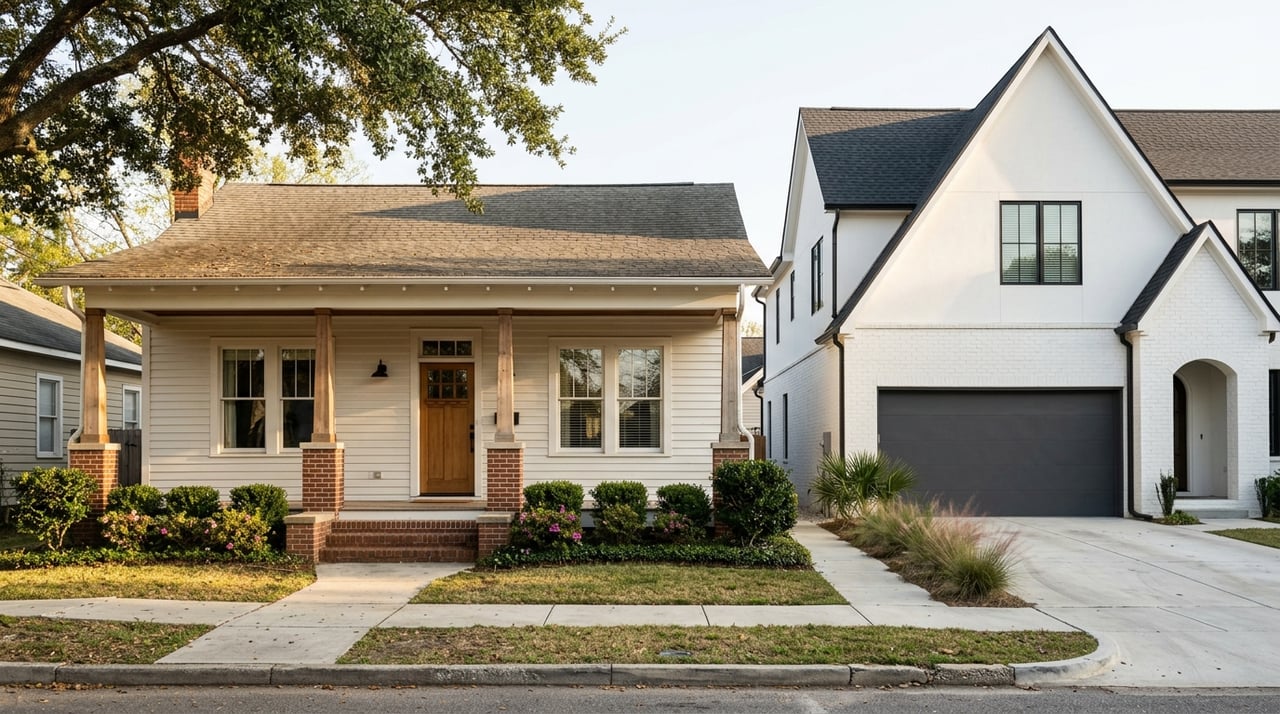
Choosing between a historic bungalow and a newer home in Houston Heights is not just about looks. It is about how you want to live, what kind of upkeep you can handle, and how the specific block may shape your options. If you are weighing charm against convenience, this guide will help you compare both with more confidence. Let’s dive in.
Why Houston Heights Makes This Decision Unique
Houston Heights gives you a rare side-by-side choice. You can find early-20th-century homes with classic porch-front design, and you can also find newer infill homes built for more modern living. That mix is a big reason so many buyers are drawn to the area.
The neighborhood also comes with rules that matter. The City of Houston says the Heights includes three historic districts: West, East, and South. Houston does not have citywide zoning, so what you can build or change may depend on deed restrictions, historic-preservation review, and block-specific rules like minimum lot size or minimum building line requirements.
That means your decision should start with the property and the block, not just the photos online. In a neighborhood like the Heights, two homes a few streets apart can come with very different design limits and long-term considerations.
What Counts as Historic or New
Historic Heights Home Basics
Historic Heights homes were shaped by the area’s original streetcar-suburb layout. According to the City of Houston, many lots were about 50 feet wide, and homes were often oriented east to west to help with Houston’s hot, humid climate. Early deed restrictions also helped create a more consistent neighborhood pattern.
In practical terms, a historic Heights home often means a one- or two-story single-family house with a front porch and strong architectural character. Common styles include Queen Anne, Craftsman, Folk National, and Folk Victorian. You will often see features like decorative gables, broad porches, wide eaves, wood siding, large windows, and pier-and-beam foundations.
New Construction in the Heights
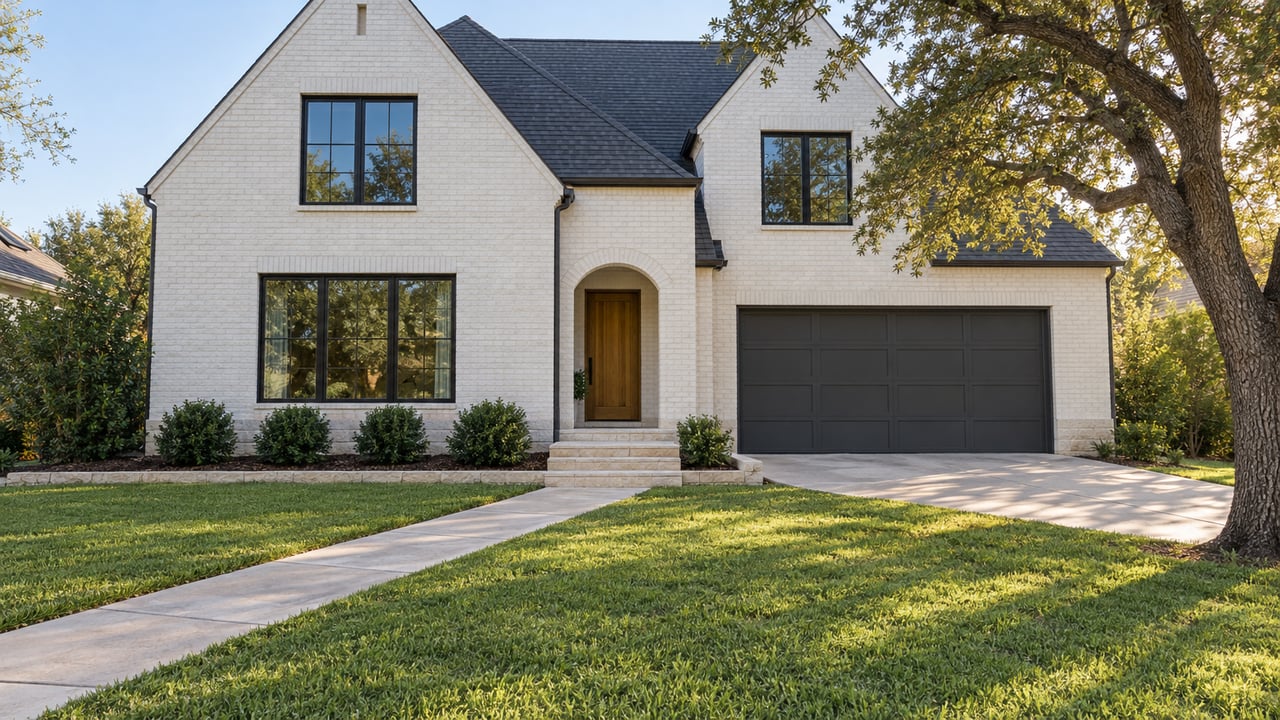
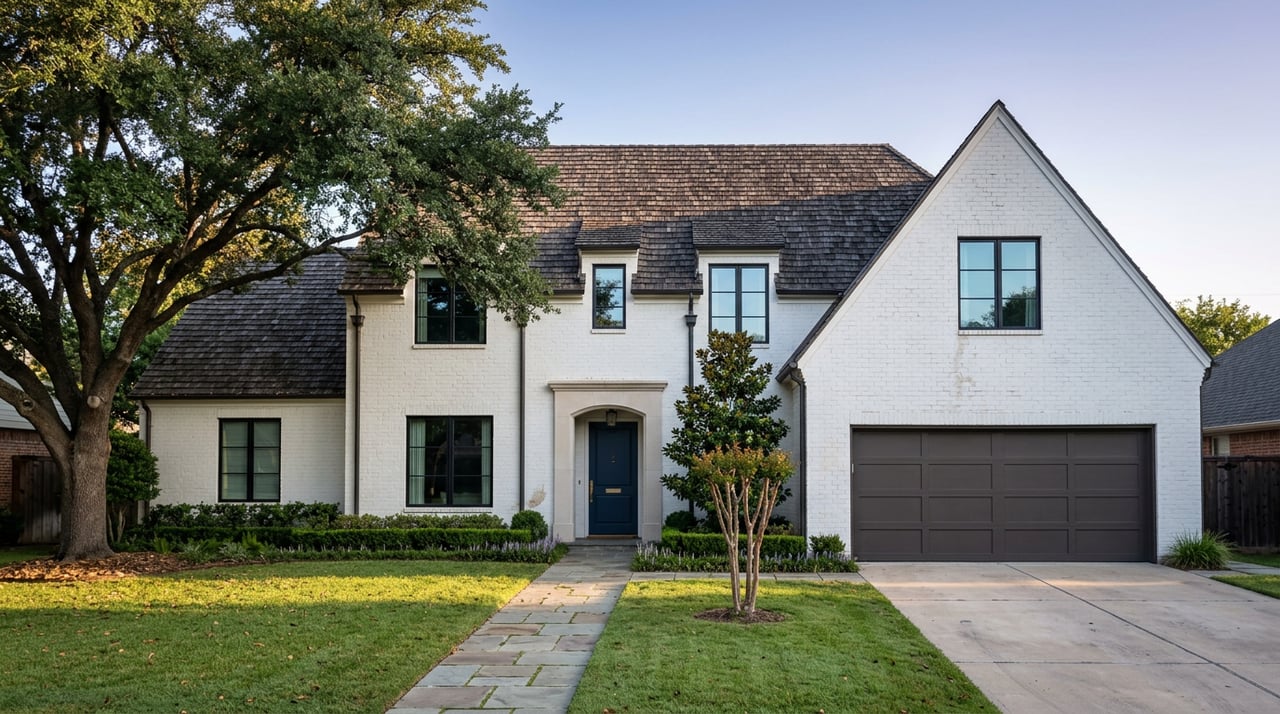
A newer home in Houston Heights is not automatically outside the neighborhood’s character. In historic districts, the City of Houston reviews exterior changes and new construction for compatibility with the surrounding homes. That includes height, width, roof shape, porch form, window proportions, cladding, and how the house sits on the lot.
So while a new home may offer a more current floor plan, it still may need to fit older neighborhood patterns. On many blocks, that can mean rear garages, side driveways, and a stronger front-porch presence than you might expect in a more suburban setting.
Layout and Daily Living
What Historic Homes Often Offer
Historic homes in the Heights can feel warm, inviting, and efficient in ways buyers do not always expect. Craftsman bungalow designs often reduced hallway space and focused on practical room flow. In the Heights, large windows and transoms were also part of how homes were designed for comfort before air conditioning became common.
If you love original details, this is often where historic homes shine. You may get porch life, woodwork, and a stronger sense of connection to the street. For some buyers, that day-to-day feel matters more than having the largest closet or the newest finish package.
What Newer Homes Often Do Better
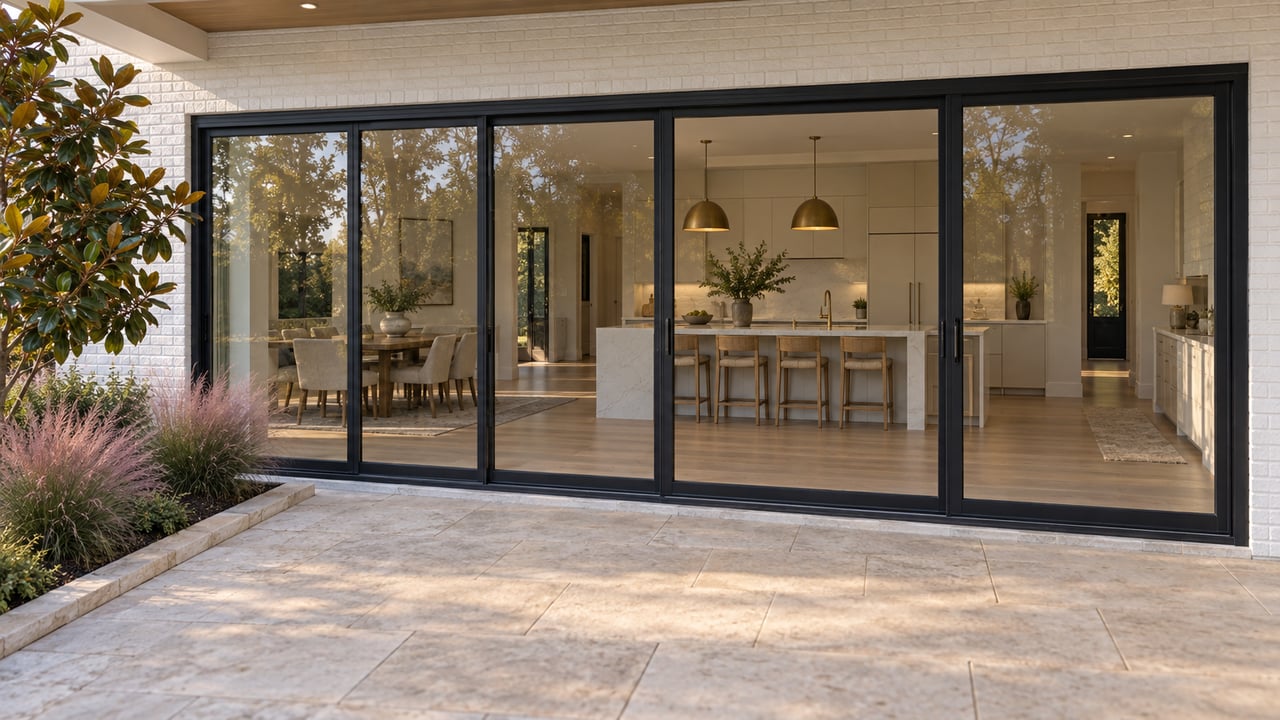
Newer homes usually line up more closely with what many buyers want today. That often includes open living areas, larger kitchens that connect to family space, more storage, bigger closets, and improved laundry space. If you like a casual entertaining layout, newer construction often has the edge.
That does not mean every new home feels the same. In the Heights, the best newer homes tend to balance modern interiors with exterior design that fits the block. You may get the function you want inside while still living in a home that feels tied to the neighborhood.
A Simple Way to Compare
If you are torn, think of it this way: historic homes often win on charm and street presence, while newer homes often win on storage and layout. Neither is automatically better. It depends on what will make your life easier and more enjoyable after move-in.
Maintenance and Energy Costs
What to Expect With Historic Homes
Historic bungalows often require more hands-on care. In the Heights, many older homes include wood siding, wood-clad windows, porches, and pier-and-beam foundations. Those details are part of the appeal, but they can also mean more attention to paint, trim, windows, and foundation maintenance over time.
Older homes were also not typically built with modern insulation standards. The U.S. Department of Energy notes that leaky windows, doors, and ducts can increase heat transfer, and older homes may need more work to improve comfort and efficiency. In Houston’s climate, that can matter.
Upgrading a Historic Home
The good news is that older homes can often be improved. Air sealing and insulation are among the most cost-effective ways to improve comfort and reduce heating and cooling loss. In the Heights, though, exterior-related changes may need to be coordinated with historic-preservation rules if the property is in a historic district.
This is where practical due diligence matters. Before you buy, it helps to understand not just what updates are possible, but what approvals may be required.
What Newer Homes Usually Offer
New construction usually starts from a better energy-efficiency baseline. The Department of Energy notes that efficient new homes often use advanced window systems and are built to stronger performance standards around comfort, durability, and energy use. In a cooling-heavy market like Houston, that can translate to fewer drafts and better utility efficiency from day one.
Still, new does not mean maintenance-free. Systems are newer, which can reduce near-term surprises, but you will still want to budget for HVAC service, routine upkeep, and future finish replacement.
Resale Value and Market Appeal
Houston Heights remains a premium market, and the data supports that. Recent HAR figures show the Heights and Greater Heights area with about 4.9 months of inventory, roughly 35.5 days on market, and a median sold price near $859,946. That tells you buyers are still active here, even in a market that is not moving at a frenzy pace.
The historic districts also show strong pricing. Research in the report notes median listing prices around $1.099 million in Houston Heights East Historic District, about $939,500 in South, and roughly $1.175 million in West. Limited inventory in those areas can support demand from buyers who specifically want a classic Heights setting.
For newer homes, resale often comes down to fit. City guidance makes it clear that homes that feel too tall, too wide, or out of step with nearby houses can feel less natural on the block. In the Heights, strong resale for newer construction often comes from homes that respect the street context, not just homes with the biggest square footage.
How to Decide Which Home Fits You
Choose Historic if You Value Character
A historic home may be the better fit if you are drawn to original details, front porch living, and the feel of a classic Heights block. You may also be more comfortable taking on maintenance and navigating rules around updates. For the right buyer, that tradeoff feels worth it.
Choose New if You Value Convenience
A newer home may be the better fit if you want open living space, larger kitchens, more storage, and updated systems. It can also make sense if you prefer lower near-term upkeep and a home that is built around how many people live today. In a busy season of life, that convenience can be a major advantage.
Let the Block Guide You
In Houston Heights, the smartest decision often starts with context. Before you commit to any property, verify whether it sits inside one of the historic districts. You should also check deed restrictions and confirm whether minimum lot size or minimum building line rules apply on that block.
That kind of homework can protect you from surprises later. It can also help you judge whether a home fits your goals not just for move-in day, but for renovation, resale, and long-term enjoyment.
If you are comparing homes in Houston Heights, it helps to have someone who understands both neighborhood nuance and construction reality. That is especially true when you are weighing older-home character against newer-home convenience. If you want honest guidance on what fits your budget, lifestyle, and long-term plans, connect with Chris Boyles.
FAQs
Is a historic home in Houston Heights always in a historic district?
- No. Houston Heights includes three historic districts, but not every older home in the area is located within one of them.
Do new homes in Houston Heights have to match older homes nearby?
- In historic districts, new construction is reviewed for compatibility with surrounding homes, including features like height, width, roof shape, porch form, and lot siting.
Are historic Houston Heights homes more expensive to maintain?
- They often can be, because many have wood siding, wood-clad windows, porches, and pier-and-beam foundations that usually require more hands-on upkeep.
Do newer Houston Heights homes offer better layouts?
- Many newer homes are built with open living areas, larger kitchens, more storage, and updated laundry and closet space that align with current buyer preferences.
What should you check before buying in Houston Heights?
- Verify whether the home is in a historic district, review any deed restrictions, and confirm whether minimum lot size or minimum building line rules apply to that property’s block.