If you love the idea of living close to the action but do not want to give up the feel of a detached-home neighborhood, Houston Heights likely keeps showing up on your list. It offers historic character, a strong sense of place, and block-by-block variety that can make home shopping exciting and a little tricky at the same time. In this guide, you will learn what makes the Heights distinct, what tradeoffs matter most, and how to think about homes, lots, parking, and renovation potential before you buy. Let’s dive in.
Why Houston Heights Stands Out
Houston Heights has deep roots in Houston history. Founded in 1891, incorporated in 1896, and annexed by Houston in 1918, it is recognized by the city as Texas’ earliest planned community. That history still shapes the area today, from Heights Boulevard’s central spine to the rectangular street grid and original lot patterns.
For buyers, that background matters because the neighborhood does not feel random. Many streets still reflect the original planning approach, and lot sizes and home placements often follow older development patterns. That is part of the charm, but it also affects parking, additions, and what kind of home will fit your lifestyle.
What the Housing Mix Looks Like
When people talk about Houston Heights, they are often really talking about the broader Greater Heights area used in City of Houston data. In the city’s 2024 file, Greater Heights had 26,874 housing units. About 67.5% were detached homes, while about 21.8% were in buildings with 10 or more units.
That makes the area feel more detached-home-oriented than some other inner-loop neighborhoods. If you are comparing the Heights with places that lean more heavily toward apartments or denser mixed-use living, this is one reason the Heights often feels more residential from street to street.
Occupancy data also helps explain the neighborhood’s stability. In the 2023 file, 91.3% of units were occupied, with 62.7% owner occupied and 37.3% renter occupied. For buyers, that mix can translate into a neighborhood context with both established homeowners and a meaningful rental presence.
Expect an Upper-Midmarket Price Point
Houston Heights is not typically an entry-level inner-loop market. According to the city’s 2023 housing-value file, about 24.97% of owner-occupied homes in Greater Heights were valued between $300,000 and $499,999, while about 64.9% were valued at $500,000 or more.
In practical terms, you should expect many options to fall into the upper-midmarket to premium range by Houston standards. That makes your search strategy important. You want to weigh not just price, but also lot usability, condition, parking setup, and whether the home’s style matches how you actually live.
Home Styles Change by Block
One reason buyers are drawn to Houston Heights is the variety. The city notes that the eastern portion of Greater Heights developed mainly in the 1920s and 1930s, while the western portion developed later, generally from the 1930s into the 1950s.
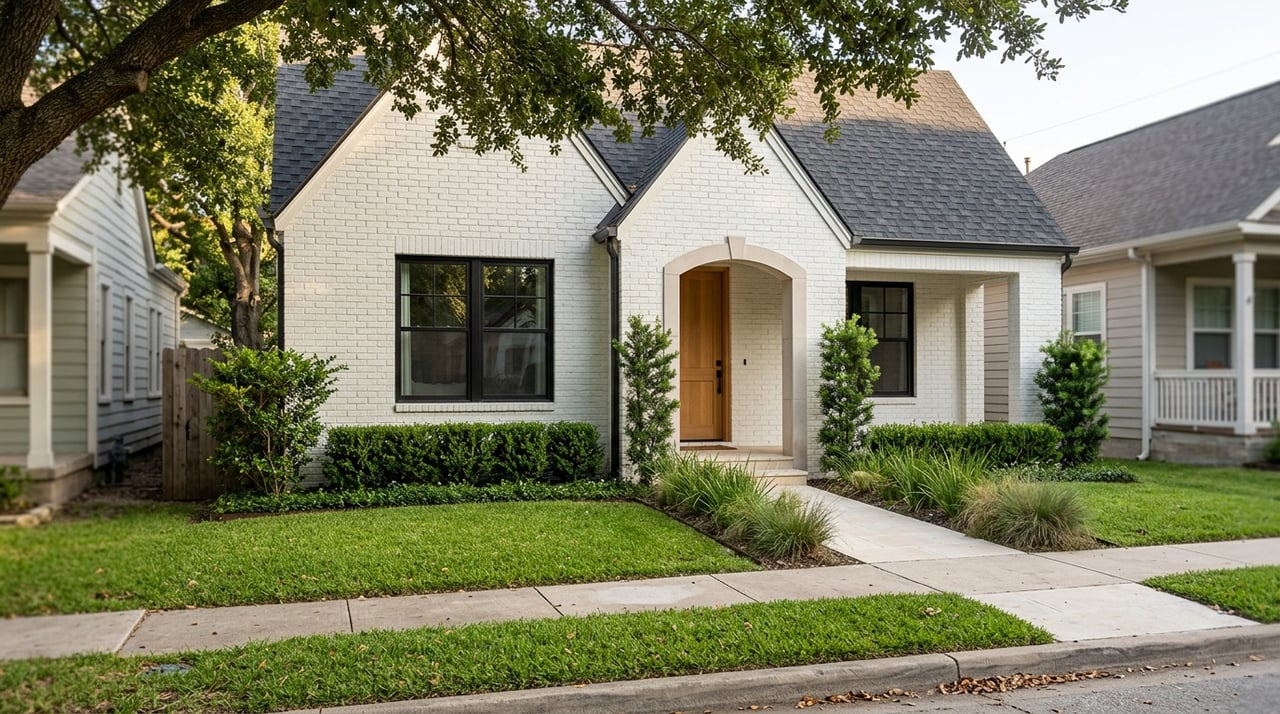
That helps explain why one block may feature classic bungalows and cottages, while the next includes postwar homes, renovated originals, or newer infill construction. If you are shopping online, that block-by-block change can be easy to miss. In person, it becomes clear very quickly.
Historic Character vs Newer Layouts
Why buyers love older Heights homes
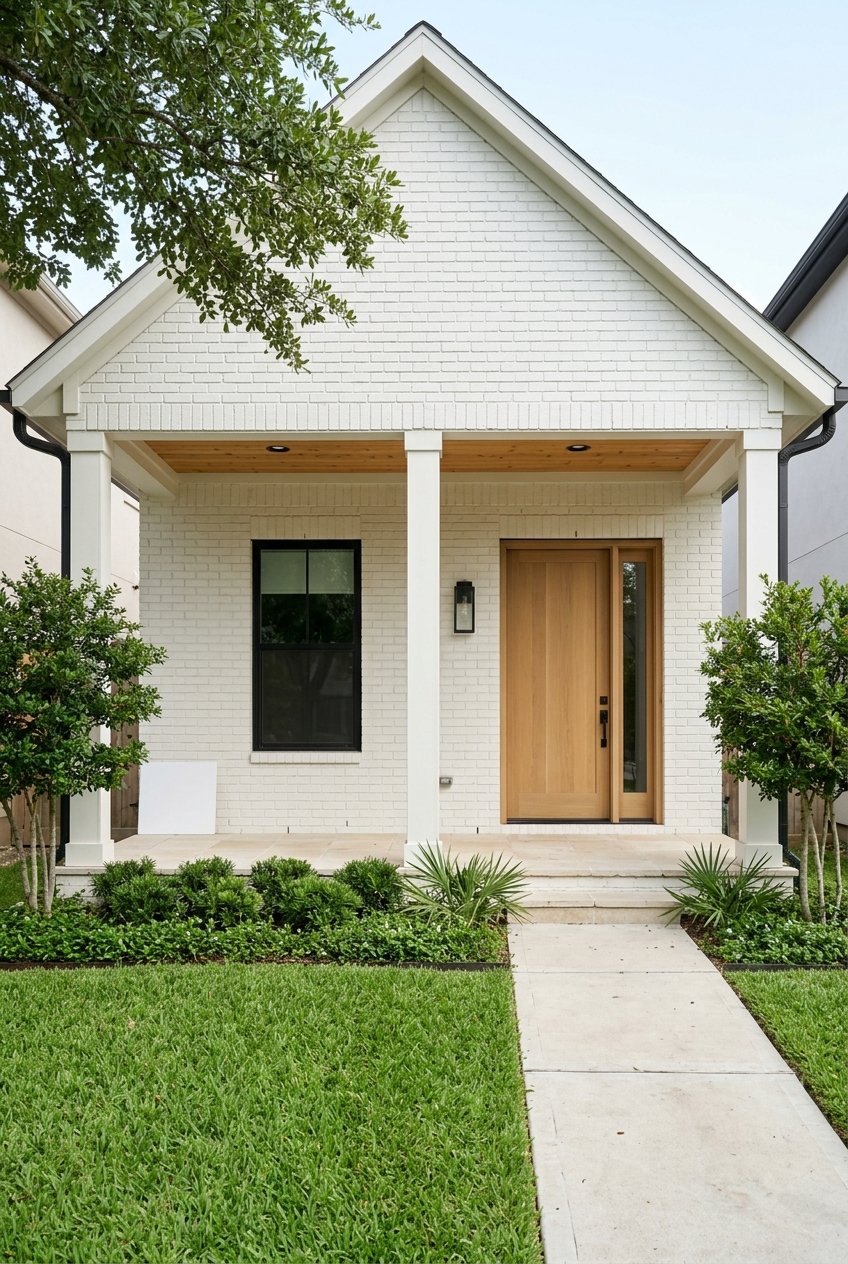
If you want charm, the Heights delivers. Porches, original proportions, and a strong neighborhood identity are a big part of the appeal. Buyers who value character often find that these homes offer details and streetscapes that are harder to replicate elsewhere.
That said, character usually comes with compromises. Closet space, garage placement, room flow, and lot access may not work like a newer suburban home. It is important to separate what feels charming on a showing from what will feel practical on a busy Tuesday morning.
Why infill appeals to modern buyers
The city notes that modern buildings are also being constructed on vacant lots using traditional details to blend in with the neighborhood. For buyers, that can mean a chance to enjoy a more current floor plan without losing the visual language that makes the Heights feel like the Heights.
Newer homes may offer more open living areas, updated systems, and a layout that better fits current preferences. Still, not every newer build will live the same, especially if it sits on a narrower lot or makes tradeoffs for square footage.
Lot Size and Layout Matter More Than You Think
One of the biggest buyer lessons in Houston Heights is that the lot can matter just as much as the house. The city describes a typical 50-foot residential lot width in the historic district context, but original platting included varied lot sizes. That means two homes with similar square footage can function very differently depending on the site.
Larger original lots and corner lots often provide more flexibility for yards and rear parking. Narrower lots may create a more vertical feel and tighter exterior space. If outdoor room, play space, storage, or future improvements matter to you, this is worth studying early.
Parking Can Be a Real Tradeoff
Parking is one of the most practical differences between Houston Heights and newer neighborhoods. City guidance for the historic districts notes that garages and carports are usually detached and placed in the rear half of the lot. Driveways should be on the side of the house for interior lots or on the side street for corner lots.
The same guidance says parking pads in front of the building are incompatible in the historic districts. So if you are used to front-facing garages and easy driveway access, the Heights may require a mindset shift. Rear parking and side-drive access are common parts of the neighborhood experience.
This is why two homes at the same price can offer very different day-to-day convenience. Before you fall in love with finishes, think about how you will handle guest parking, grocery unloading, trash access, and multi-car living.
Renovation Rules Deserve Early Attention
Exterior changes may be more limited
If you are buying with renovation plans, do your homework before you assume a project will be simple. In the Heights historic districts, the city says exterior changes are expected to preserve the district’s character and stay compatible with existing scale and materials.
The guidelines specifically address windows, siding, porch elements, attached garages or carports, and additions. That means your ideas for changing the front elevation, moving major features, or dramatically altering the exterior may face more review than you would see in a non-historic area.
Garage apartments and additions have rules
The city also notes that detached garages, garage apartments, and carports may be allowed in some cases when they are at the rear of the lot and kept to 600 square feet or less. That can be useful information if you are thinking about flexible bonus space, but it is not something to assume property by property.
You should also verify deed restrictions and any Minimum Lot Size or Minimum Building Line rules before planning to subdivide a lot or significantly rework a home. In a neighborhood like the Heights, due diligence on the front end can save you time, money, and frustration later.
Walkability Is a Strength, But It Is Block Specific
Houston Heights is often attractive to buyers who want more everyday convenience without going fully urban in feel. Walk Score rates Greater Heights at 73, making it one of Houston’s more walkable neighborhoods. But the score varies by location, with sample areas ranging from 64 to 86 depending on proximity to commercial corridors.
That means your experience can change a lot depending on the block. A home near Yale or near established retail streets may support more errands or outings on foot. A home farther from those corridors may still feel connected, but in a less immediate way.
The city notes that retail has historically been concentrated along 19th Street west of Heights Boulevard, with additional activity along 11th and 20th Streets. So if walkability matters to you, it helps to define what you mean. Do you want a coffee run on foot, frequent dining options nearby, or just a more connected street grid?
Parks and Community Space Add to Daily Life
Another draw in Greater Heights is access to parks and open space. The city’s park list includes Heights Blvd Park, Stude Park, Woodland Park, Milroy Park, Love Park, and others. Community spaces such as Donovan Park also add to the neighborhood’s appeal.
For many buyers, this helps balance the tighter lot patterns that can come with inner-loop living. Even if your private yard is smaller, nearby outdoor space can still shape your routine in a positive way. It is one more reason buyers often compare specific blocks, not just the neighborhood name.
How the Heights Compares Nearby
Compared with Montrose and Midtown
If you are deciding among inner-loop neighborhoods, Houston Heights often lands in the middle of the urban-density spectrum. Montrose has a higher Walk Score of 86 and a much smaller share of detached homes, with city data showing about 23.6% detached units and about 46.9% in 10-plus-unit buildings.
Midtown is even denser. It also has a Walk Score of 86, plus stronger transit orientation, and the city’s 2024 structure file shows only about 6.2% detached units and about 76.8% in 10-plus-unit buildings. If you want more detached homes and a less apartment-heavy environment, the Heights may feel like a better fit.
Compared with University Place or West University Place
Some buyers want an inner-loop location but are also weighing a more park-oriented setting. The city describes University Place as a mix of single-family homes, duplexes, apartments, student housing, Rice Village, and numerous parks. West University Place emphasizes tree-lined streets, maintained homes, an expansive park system, and small-town feel with big-city access.
In that context, Houston Heights tends to appeal to buyers who want character, urban access, and more visible historic texture. Buyers who prioritize a different streetscape pattern or a quieter park-centered setting may compare it with those nearby areas instead.
What Modern Houstonians Should Prioritize
For many buyers, the right Heights home comes down to honest tradeoffs. You may be choosing between charm and easier parking, between a larger yard and a more updated interior, or between renovation potential and fewer restrictions.
A smart buying plan usually starts with a few clear priorities:
- Your real budget for both purchase and updates
- Your comfort level with older-home quirks
- How important off-street parking is
- Whether you want historic character or newer construction
- How much renovation flexibility you may need later
- How much walkability matters in daily life
If you can answer those questions early, your search becomes much more focused. In Houston Heights, “the best house” is often really the house whose lot, block, and layout fit your lifestyle best.
If you are thinking about buying in Houston Heights, working with a team that understands lot patterns, older homes, and inner-loop tradeoffs can make the process much clearer. Chris Boyles and CB Realty Team bring local market knowledge, construction awareness, and hands-on guidance to help you buy with confidence.
FAQs
What types of homes are common in Houston Heights?
- Houston Heights and the broader Greater Heights area include many detached homes, along with some larger multifamily buildings, and buyers often see a mix of bungalows, cottages, postwar homes, renovated properties, and newer infill.
What is the typical price range context for Houston Heights homes?
- City housing-value data shows Greater Heights trends toward an upper-midmarket to premium price point, with about 64.9% of owner-occupied homes valued at $500,000 or more in the 2023 file.
What should buyers know about parking in Houston Heights?
- In the historic district context, parking often sits behind the home with side-drive access, and front parking pads are considered incompatible, so daily convenience can vary a lot from one property to another.
What should buyers know about renovating a Houston Heights home?
- If a home is in a Heights historic district, exterior changes may need to preserve neighborhood character, and buyers should verify city review requirements, deed restrictions, and lot-related rules before planning major work.
How walkable is Houston Heights for daily errands?
- Greater Heights has a Walk Score of 73, but walkability is highly block specific, so proximity to corridors like 19th Street, 11th Street, 20th Street, and Yale can make a big difference.
How does Houston Heights compare with Montrose or Midtown for buyers?
- Houston Heights generally offers a more detached-home-oriented setting, while Montrose and Midtown have higher density and a much larger share of units in larger multifamily buildings.