Thinking about a move to west Houston? The Energy Corridor stands out for a reason: you can find a true mix of housing, strong access to major job centers, and an outdoor lifestyle that is harder to match than many newcomers expect. If you are trying to decide whether this area fits your budget, commute, and day-to-day routine, this guide will help you sort through the practical details. Let’s dive in.
Why the Energy Corridor draws relocators
The Energy Corridor is a west Houston district of more than 2,000 acres along both sides of I-10, stretching from Kirkwood Road to west of Barker Cypress Road and south along Eldridge Parkway to south of Briar Forest Drive. It sits near Buffalo Bayou, Terry Hershey Park, the Addicks and Barker Reservoirs, and a large network of parks and open space.
For many buyers, the appeal is simple. You get a location that supports work, travel, and everyday convenience, while still offering access to major green space. The district also promotes its central access to downtown Houston, the Texas Medical Center, and two airports, which makes it especially useful if your routine reaches beyond west Houston.
What housing looks like here
If you are relocating to the Energy Corridor, one of the first things you will notice is the range of housing options. This is not a one-price-point area, and that can be a real advantage if you want flexibility.
Single-family homes offer the widest range
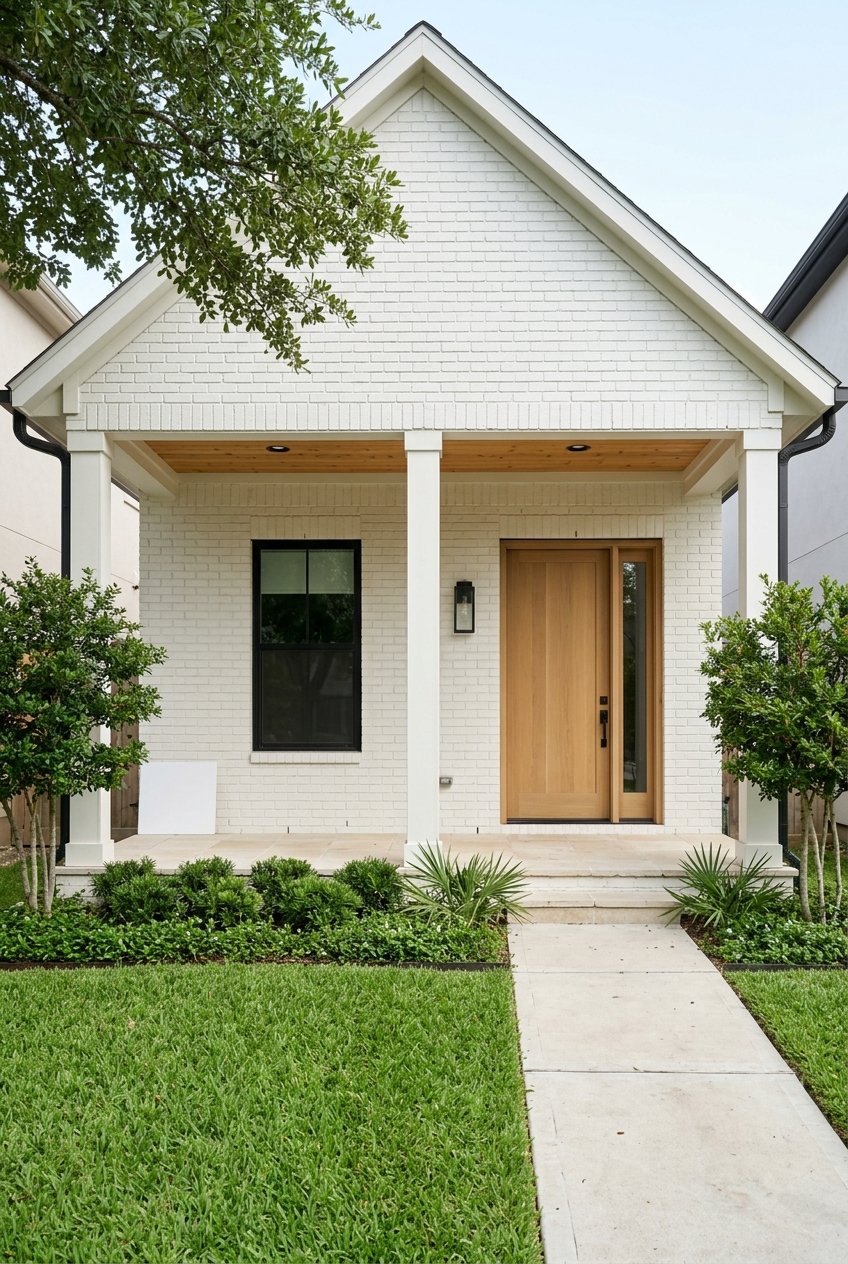
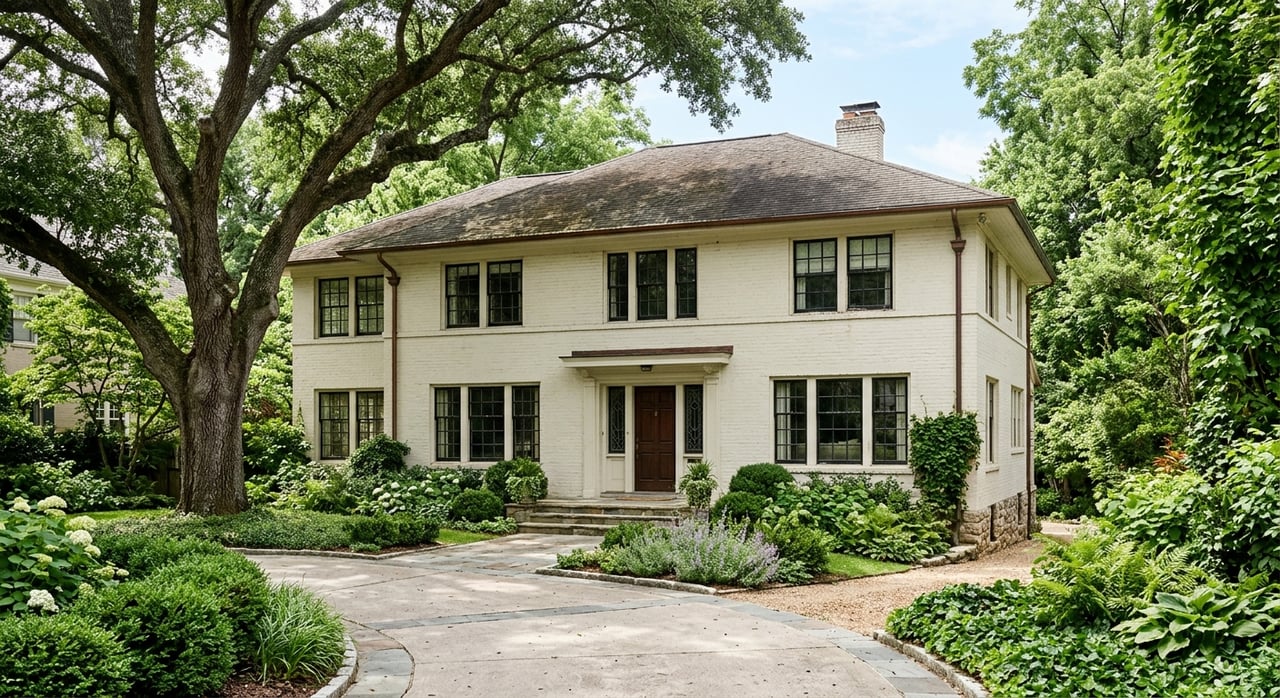
Single-family homes are the broadest housing category in the district. They tend to be the best fit if you want more indoor space, a yard, or room to grow into the home over time.
Recent sold examples in the area show how wide the spread can be. HAR reported a 3-bedroom, 2-bath home sold for $314,000, while larger and higher-end homes sold around $775,000, $925,000, and $1,000,000. In practical terms, that means your budget can buy very different homes depending on size, age, updates, and finish level.
Townhomes and condos can lower the entry point
If you want a smaller footprint or less exterior upkeep, townhomes and condos may be worth a close look. This segment can offer a more affordable way into the area compared with detached homes.
Recent sold examples included a 1,422-square-foot townhome at $220,000 and a 1,740-square-foot townhouse or condo at $165,000. For buyers focused on convenience, budget control, or a simpler lock-and-leave lifestyle, these properties can be a practical match.
What the market means for buyers
The most recent spring 2026 Energy Corridor market updates from HAR show roughly 3.2 to 3.6 months of inventory, about 41 to 42 days on market, and median sold prices in the low-to-mid $500,000s. That points to a market that is active, but not overheated.
For you as a buyer, that usually means two things at once. First, there may be some room to negotiate, especially if a home needs updates or has been sitting longer than average. Second, well-priced homes can still move in about a month, so waiting too long on a strong option can cost you.
A balanced approach matters here. You want to move with purpose, but you also want enough time to evaluate condition, layout, and commute fit before making a decision.
How commute planning affects your move
The Energy Corridor is built around I-10, so your commute planning matters almost as much as your housing search. On paper, the location is strong. The district says downtown Houston is about 17 miles and roughly 30 minutes away via I-10, the Texas Medical Center is about 22 miles and 40 minutes away, Hobby Airport is about 35 miles and 45 minutes away, and IAH is about 30 miles and 35 minutes away from the heart of the Sam Houston Tollway.
That said, paper travel times do not always match real life. TxDOT reports that the I-10 Katy corridor is congested during peak travel times and is one of the most congested road corridors in the United States within the study area, with traffic hot spots and crash rates above state and national averages.
What that means for your home search
If your work schedule depends on a consistent drive, the exact location of the home matters. Even a short difference on the map can change your routine in a meaningful way depending on when you leave, weather conditions, and incident activity.
When helping buyers relocate, it often makes sense to think beyond square footage and list price. You may want to compare homes based on:
- Distance to I-10 access points
- Position relative to Beltway 8 or SH 6
- Typical drive windows for your schedule
- Proximity to your office or frequent destinations
- Backup commute options if traffic spikes
Park & Ride is worth knowing about
If you commute downtown or toward the Medical Center, METRO Park & Ride can be a helpful backup plan. METRO states that the service supports commuters from areas including Addicks and Grand Parkway, many routes use HOV express lanes for much of the trip, the Addicks Park & Ride is located at the I-10 frontage road and SH 6, and parking at Park & Ride facilities is free.
For some households, access to Park & Ride can shape where it makes sense to buy. If you want to reduce daily driving stress, that can be a useful feature to add to your home search criteria.
Lifestyle in the Energy Corridor
Housing is only part of the relocation decision. The Energy Corridor also offers a day-to-day lifestyle that appeals to many professionals and families because it blends outdoor access with practical convenience.
Parks and trails are a major advantage
The district highlights more than 50 miles and 26,000 acres of recreational parks and trails within and near the area. One of the best-known assets is Terry Hershey Park, which Harris County Precinct 4 lists at 496 acres with 11.05 miles of trail.
That matters if you want easy access to walking, running, biking, or casual outdoor time without driving far. Instead of treating green space like an occasional weekend destination, many residents can make it part of their normal routine.
Nearby parks expand your options
George Bush Park is another major nearby amenity. Harris County lists it at 7,800 acres with 11.36 miles of trails, plus dog parks, sports fields, and other recreation features.
Bear Creek Pioneers Park adds even more outdoor variety, with 2,154.6 acres, 2.55 miles of trails, an aviary, sports fields, picnic areas, and playground amenities. If outdoor access ranks high on your list, these parks are not just nice extras. They are part of the area’s everyday value.
Daily errands and conveniences
A relocation decision gets easier when daily life feels manageable. In the Energy Corridor, many errands and services cluster around established west Houston retail and mixed-use destinations.
Town & Country Village describes itself as a one-stop shopping center for groceries, prescriptions, banking, healthcare, haircuts, and more than 90 retailers. CITYCENTRE describes itself as a mixed-use destination with retail, dining, office space, residences, a hotel, and free parking. Memorial City also adds extensive dining and work-live convenience nearby.
The Energy Corridor District also notes that Texas Medical Center-West Campus is in the heart of the district. For many buyers, that blend of nearby services, dining, and healthcare support makes the area easier to settle into quickly.
Who the Energy Corridor fits best
Based on the district geography, housing mix, commute patterns, and nearby amenities, the Energy Corridor is often a strong fit for buyers who want west Houston access and flexibility. It can work especially well if you want to stay connected to major employment centers while still having nearby parks, trails, and shopping.
Single-family homes tend to suit buyers who want more space and a broader long-term ownership range. Townhomes and condos may work better if you want lower maintenance or a lower entry price. If commute stress is a top concern, it may be smart to focus on locations near your office, near key freeway access points, or near Park & Ride options.
Smart tips before you relocate
Before you buy in the Energy Corridor, it helps to narrow your priorities early. A clear plan can save time and help you avoid choosing a home that looks right online but feels less practical once you live there.
A few smart steps to take include:
- Set a budget range that includes property type flexibility
- Decide whether space or low maintenance matters more
- Test drive commute routes during likely travel times
- Visit nearby parks, shopping, and daily errand areas
- Compare homes not just by price, but by condition and location
If you are weighing resale homes, updated properties, or homes with renovation potential, a local team with construction awareness can help you spot the difference between cosmetic appeal and lasting value. That kind of guidance matters when you are making a move from outside the area and need honest, practical feedback.
Relocating to the Energy Corridor can be a smart move if you want a west Houston base with housing variety, strong outdoor access, and practical commuter connections. If you want clear guidance on where to focus, what to expect by price point, and how to evaluate homes with confidence, connect with Chris Boyles for straightforward local advice and hands-on support.
FAQs
What is the Energy Corridor in Houston?
- The Energy Corridor is a west Houston district of more than 2,000 acres along both sides of I-10, generally stretching from Kirkwood Road to west of Barker Cypress Road and south along Eldridge Parkway to south of Briar Forest Drive.
What types of homes are available in the Energy Corridor?
- Buyers can find single-family homes, townhomes, and condos in the Energy Corridor, with recent sold prices ranging from the mid-$100,000s for some smaller attached properties to $1,000,000 for higher-end detached homes.
What is the Energy Corridor housing market like in 2026?
- Spring 2026 HAR updates show about 3.2 to 3.6 months of inventory, around 41 to 42 days on market, and median sold prices in the low-to-mid $500,000s, which suggests a market that is active but not extremely tight.
How is the commute from the Energy Corridor to downtown Houston?
- The Energy Corridor District says downtown Houston is about 17 miles and roughly 30 minutes away via I-10, but TxDOT notes that the I-10 Katy corridor is heavily congested during peak travel times, so real commute times can vary.
Are there parks and trails near the Energy Corridor?
- Yes. The area is known for strong outdoor access, including Terry Hershey Park, George Bush Park, and Bear Creek Pioneers Park, plus more than 50 miles of recreational parks and trails within and nearby the district.
Is the Energy Corridor a good fit for relocating professionals?
- It can be a strong fit if you want west Houston freeway access, a range of housing options, major parks nearby, and convenient retail and service hubs for everyday living.